.jpg)

The Art of Traditional Japanese Drumming
- HidB

- Sep 16, 2025
- 4 min read
Japanese drumming is a powerful and captivating art form that has been practiced for centuries. It combines rhythm, movement, and cultural expression in a way that resonates deeply with both performers and audiences. For those interested in exploring this dynamic tradition, japanese drum workshops offer an excellent opportunity to learn the basics, experience the energy, and connect with the rich heritage behind the drums.
Whether you are a beginner or have some musical background, these workshops provide hands-on experience with taiko drums, teaching you the techniques and spirit of this ancient craft. This article will guide you through the history, significance, and practical aspects of traditional Japanese drumming, with a special focus on how workshops can enhance your understanding and skills.
Exploring Japanese Drum Workshops: What to Expect
Japanese drum workshops are designed to introduce participants to the fundamentals of taiko drumming. These sessions often start with warm-up exercises to build stamina and coordination. Instructors then teach basic rhythms and striking techniques, emphasizing posture and breathing to maximize sound and power.
Workshops vary in length and intensity, from a few hours to multi-day retreats. Many include group performances, allowing participants to experience the communal aspect of taiko, which is essential to its tradition. You will learn how to synchronize with others, creating a unified and energetic performance.
Key elements of japanese drum workshops include:
Introduction to different types of taiko drums
Basic and advanced drumming techniques
Group rhythm exercises and ensemble playing
Cultural context and history of taiko
Physical conditioning and movement training
These workshops are suitable for all ages and skill levels. They encourage participants to express themselves through rhythm while respecting the discipline and tradition of the art form.
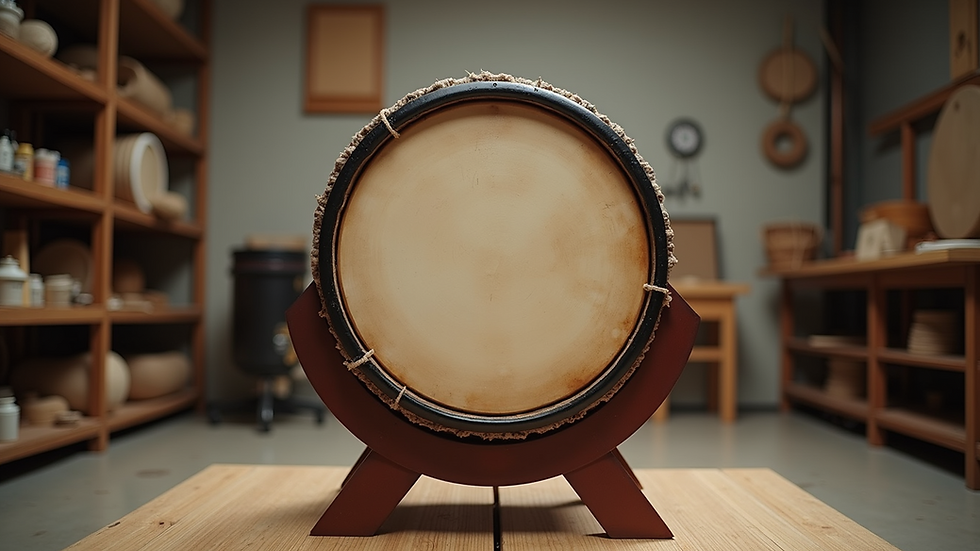
The History and Cultural Significance of Taiko Drumming
Taiko drumming has a long and varied history in Japan, dating back over 1,000 years. Originally used in religious ceremonies, festivals, and battlefield communication, taiko evolved into a performing art that combines music, dance, and theater.
In Shinto and Buddhist rituals, taiko drums were believed to summon gods and ward off evil spirits. Over time, the drums became central to community celebrations and theatrical performances such as Noh and Kabuki. The powerful sound of taiko symbolizes strength, unity, and the heartbeat of Japanese culture.
In the 1950s, taiko experienced a revival as a modern performance art called kumi daiko, which involves ensembles of drummers playing together. This style brought taiko to international audiences and inspired the creation of many taiko groups worldwide.
Understanding this cultural background enriches the experience of learning taiko. Workshops often include discussions about the spiritual and historical aspects, helping participants appreciate the deeper meaning behind the rhythms.

What is Kumi Daiko?
Kumi daiko is the ensemble style of taiko drumming that has become the most recognized form of Japanese drumming today. Unlike solo drumming, kumi daiko involves multiple drummers playing different drums simultaneously, creating a complex and powerful soundscape.
This style was popularized by Daihachi Oguchi in the 1950s, who arranged traditional rhythms for a group performance. Kumi daiko ensembles typically include various drums such as the large odaiko, medium-sized chu-daiko, and smaller shime-daiko, each contributing unique tones.
Performing kumi daiko requires precise timing, teamwork, and physical endurance. The choreography of movements and drum strikes is as important as the music itself, making it a visually striking performance.
Many japanese drum workshops focus on kumi daiko techniques, teaching participants how to play in sync and develop the stamina needed for these energetic performances. Learning kumi daiko also fosters a sense of community and cooperation among players.

Practical Tips for Beginners in Japanese Drum Workshops
If you are new to taiko drumming, attending a japanese drum workshop can be both exciting and challenging. Here are some practical tips to help you get the most out of your experience:
Wear comfortable clothing - Taiko drumming involves vigorous movement, so choose clothes that allow freedom of motion.
Focus on posture - Proper stance and body alignment are crucial for powerful and controlled drumming.
Listen carefully - Pay attention to the instructor and fellow drummers to stay in rhythm.
Practice breathing - Deep, controlled breathing helps maintain energy and focus.
Be patient - Mastering taiko takes time; enjoy the learning process without rushing.
Engage with the group - Taiko is a communal art, so connect with other participants to enhance your experience.
Many workshops provide drumsticks (bachi) and access to drums, but if you plan to continue practicing, investing in your own bachi can be beneficial. Also, watching videos of professional taiko groups can inspire and inform your practice.
The Benefits of Learning Traditional Japanese Drumming
Participating in japanese drum workshops offers more than just musical skills. The physical and mental benefits are significant:
Physical fitness: Taiko drumming is a full-body workout that improves strength, coordination, and endurance.
Stress relief: The rhythmic nature of drumming can be meditative and help reduce anxiety.
Cultural appreciation: Learning about the history and traditions deepens your understanding of Japanese culture.
Teamwork and communication: Playing in an ensemble fosters collaboration and social connection.
Confidence building: Mastering new skills and performing in front of others boosts self-esteem.
For many, the experience of traditional japanese drumming is transformative, offering a unique blend of art, exercise, and cultural immersion.
If you want to explore this art form further, consider joining a local taiko group or attending more advanced workshops. Many communities worldwide now offer regular classes and performances, making it easier than ever to engage with this vibrant tradition.
By embracing the rhythms and spirit of taiko, you open yourself to a rich cultural journey. Whether through a short workshop or ongoing practice, the art of traditional Japanese drumming invites you to connect with history, music, and community in a powerful and unforgettable way.
For more information and resources on traditional Japanese drumming, visit this blog.


Comments